ICAR-CMFRI’s stock enhancement project gives fresh hope to declining black clams in Vembanad Lake
A black clam regeneration initiative of the ICAR-Central Marine Fisheries Research Institute (ICAR-CMFRI), Kochi has yielded encouraging results in Vembanad Lake, with a production attaining up to eight times the quantity of the stocked seeds.
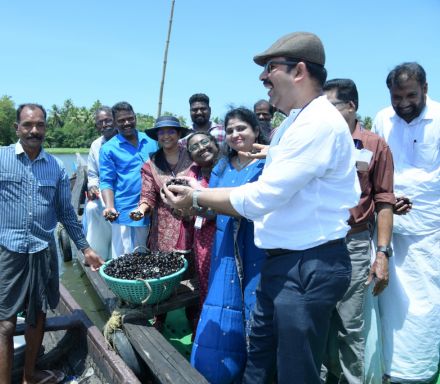
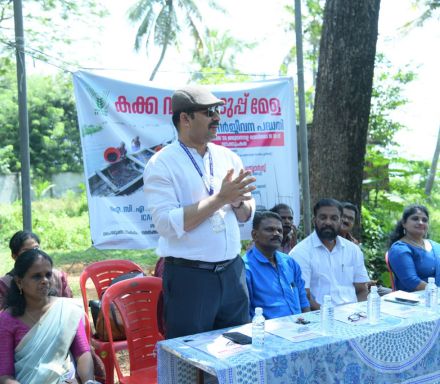
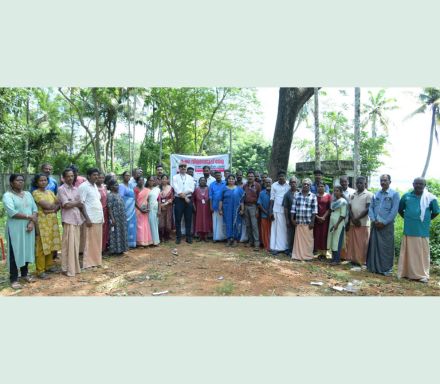
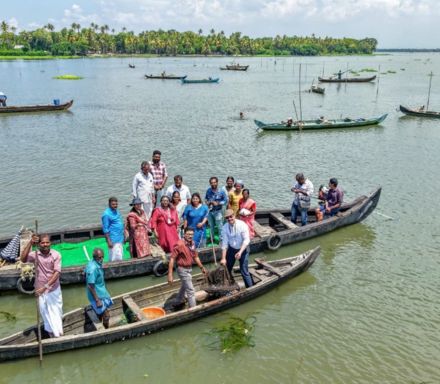
The success of the stock enhancement project was marked by a harvest festival held on 30th September 2026 after a 12-month culture period following the relaying of five tonnes of clam seed in a one-hectare area at Vadakkumkara in Alappuzha district.
The black clam (Villorita cyprinoides), one of the most important fisheries resources of Vembanad Lake, accounts for more than 80 per cent of India’s total clam resources. The resource directly supports the livelihoods of more than 6,000 families, while nearly twice that number depend on allied activities associated with the clam fishery.
The initiative assumes greater significance in the wake of a sustained decline in clam resources in Vembanad due to intensive exploitation and changing environmental conditions. According to ICAR-CMFRI estimates, the black clam catch from the region declined from a peak of 75,592 tonnes in 2006 to 45,601 tonnes in 2024, registering a decline of nearly 40 per cent.
Under the project, five tonnes of black clam seed were stocked in a one-hectare area in the region in September last year. During the harvest, the clams showed good growth and a survival rate of around 80–90 per cent, with the harvested stock recording about seven to eight times the quantity of the initially stocked seed. The production from the one-hectare area is expected to reach around 40 tonnes, indicating the considerable potential of planned clam stock enhancement in restoring the resource base.
The project was implemented with 100 per cent subsidy for the Scheduled Caste communities under the Scheduled Caste Sub Plan (SCSP), with technical guidance from ICAR-CMFRI and in collaboration with the Thaikkattussery Black Clam Co-operative Society.
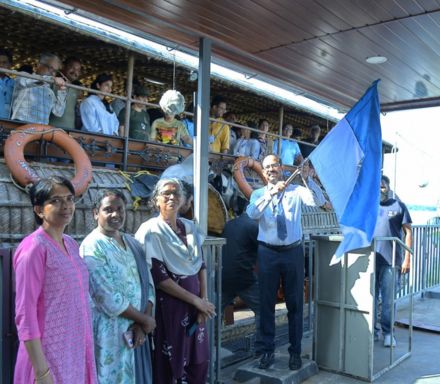
Inaugurating the harvest, Dr Grinson George, Director, ICAR-CMFRI said: “The stock enhancement initiative shows how scientific regeneration can help replenish the declining clam resource while providing sustained livelihood support to fishing communities”.
Besides enhancing clam availability for fishers, replenishing the natural stock can contribute to the ecological functioning and productivity of the estuarine ecosystem, where clams play an important role as filter-feeding organisms.
“The relaying site, identified through scientific assessment, had no existing clam stock. Standard sampling methods and an appropriate stocking density were adopted to ensure effective stock enhancement. The successful outcome highlights the potential of scientific intervention to combine resource regeneration, ecosystem recovery and sustained livelihood support for local communities” said ICAR-CMFRI Senior Scientist Dr Vidya R, who coordinated the project.