A different dimension to Swachhata: ICAR-CMFRI conducts backwater cruise to spread awareness on conservation
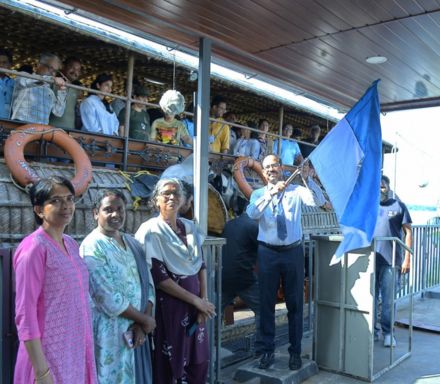
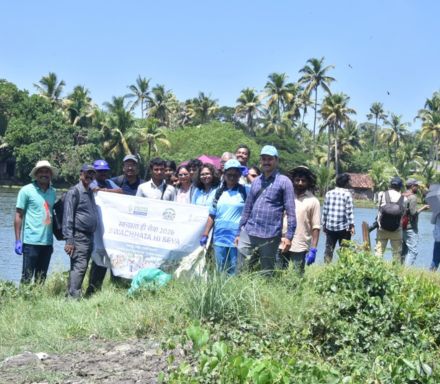
Giving a different dimension to the Swachhata Hi Seva campaign, the ICAR-Central Marine Fisheries Research Institute (ICAR-CMFRI), Kochi conducted a backwater cruise on 28th September 2026, offering participants a close look at the fragile ecology of the country’s longest lake Vembanad and the need to conserve its biodiversity and natural resources.
ICAR-CMFRI’s regular Fish Walk initiative was designed to give a different dimension to the Swachhata Hi Seva 2026 campaign while also marking World Tourism Day. Fish Walk is ICAR-CMFRI’s outreach programme brining science to the public through experiential tours
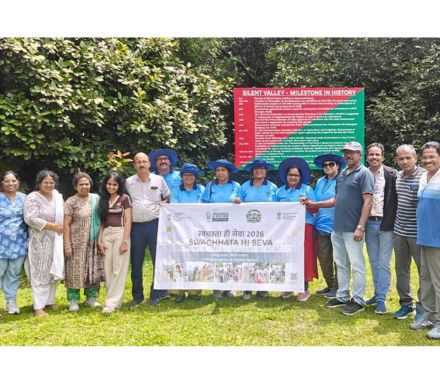
The programme was organised in partnership with GDM Travel, a start-up focused on nature-based tourism and aquatic exploration. The initiative brought together ecological learning, expert interaction, community engagement and a clean-up activity, connecting the Swachhata message directly with the ecosystems being protected. Beyond the scenic beauty, the trip combined a cleanliness drive with first-hand learning about the ecosystem, its biodiversity, pollution threats and the livelihoods it supports.
The participants comprised a diverse group of students, nature enthusiasts, tourism professionals, teachers and researchers , bringing together varied perspectives on the ecological and cultural significance of the backwaters.
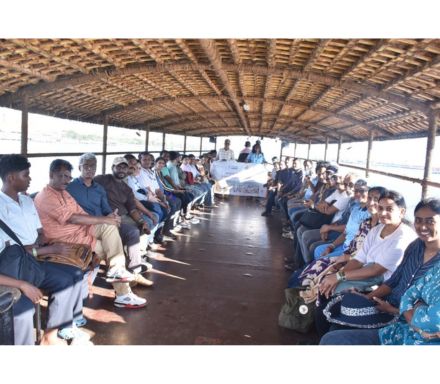
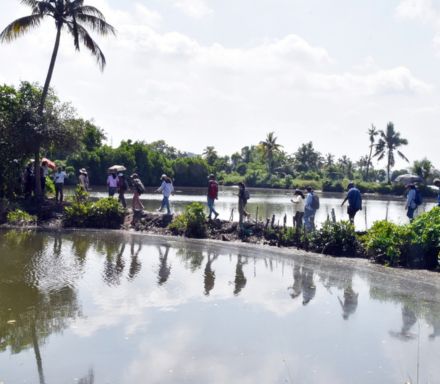
From century-old mangroves and Pokkali paddy fields to island-based livelihoods, the backwater cruise offered participants an opportunity to understand the ecological and human connections that sustain the Vembanad estuary—and why keeping such ecosystems clean is essential. The cruise from Marine Drive to Kadamakkudy passed through the island landscapes of the Vembanad estuary, with a special visit to mangrove habitats and Pokkali paddy fields.
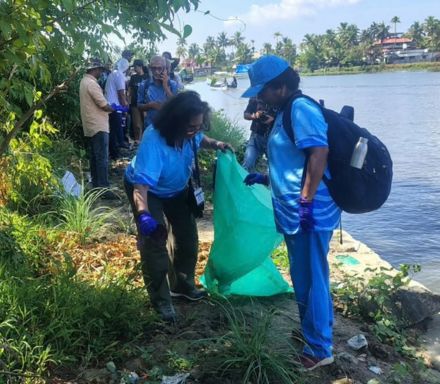
The cleanliness drive provided a practical dimension to the campaign. Participants collected plastic and other waste and were sensitised to how indiscriminate dumping can affect aquatic organisms, water quality and the wider backwater ecosystem.
The interaction covered aquatic biodiversity, wetlands, pollution, cage fish farming, sustainability and responsible use of natural resources. The interaction also highlighted the contribution of healthy mangrove and wetland ecosystems to fisheries and local livelihoods, carbon sequestration, climate-change mitigation, coastal protection and providing habitat and nursery grounds for aquatic organisms.
At the Pokkali fields in Pizhala, participants learnt about the traditional integration of salt-tolerant rice cultivation with seasonal fish and prawn farming, highlighting the relationship between natural cycles, sustainable resource use and island livelihoods.
Shri. Tony Chammany, MLA interacted with participants at the Kadamakkudy Pokkali fields. Kadamakkudy Panchayat President Shri. M. S. Antony, ICAR-CMFRI Director Dr Grinson George and local body representatives were present.
The initiative was aimed at strengthening public awareness of the ecological sensitivity of the Vembanad backwaters and unique wetland ecosystems, and encouraging greater community participation in their conservation, said Dr Grinson George, Director, ICAR-CMFRI.
ICAR-CMFRI launched the Fish Walk initiative last year and has since conducted several editions exploring coastal and marine biodiversity through different themes and experiential formats. The latest edition brought the cleanliness and conservation dimensions of Swachhata Hi Seva together, using direct experience of the ecosystem to make the campaign more meaningful and action-oriented.