About ICAR-CMFRI
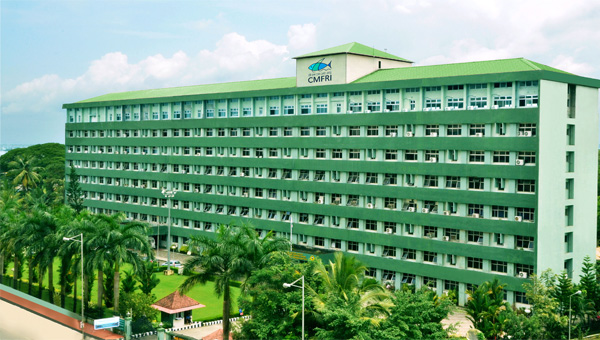
The ICAR-Central Marine Fisheries Research Institute was established by Government of India on February 3rd 1947 under the Ministry of Agriculture and Farmers Welfare and later it joined the ICAR family in 1967. During the course of over 75 years the Institute has emerged as a leading tropical marine fisheries research institute in the world. Since its inception, the CMFRI grew significantly in its size and stature and built up adequate research infrastructure and recruited qualified staff. During the first half of the five decades of its existence, the CMFRI devoted its research attention towards the estimation of marine fisheries landings and effort, taxonomy of marine organisms and the bio-economic characteristics of the exploited stocks of finfish and shellfish. This research effort contributed significantly to India’s marine fisheries development from a predominantly artisanal, sustenance fishery till the early sixties to that of a complex, multi-gear, multispecies fisheries. One of the major achievements of CMFRI is the development and refinement of a unique method for estimation of fishery catch and effort from the over 8000 km coastline called the "Stratified Multistage Random Sampling Method”.
Areas of Research
Fishery Resources Assessment, Economics & Extension
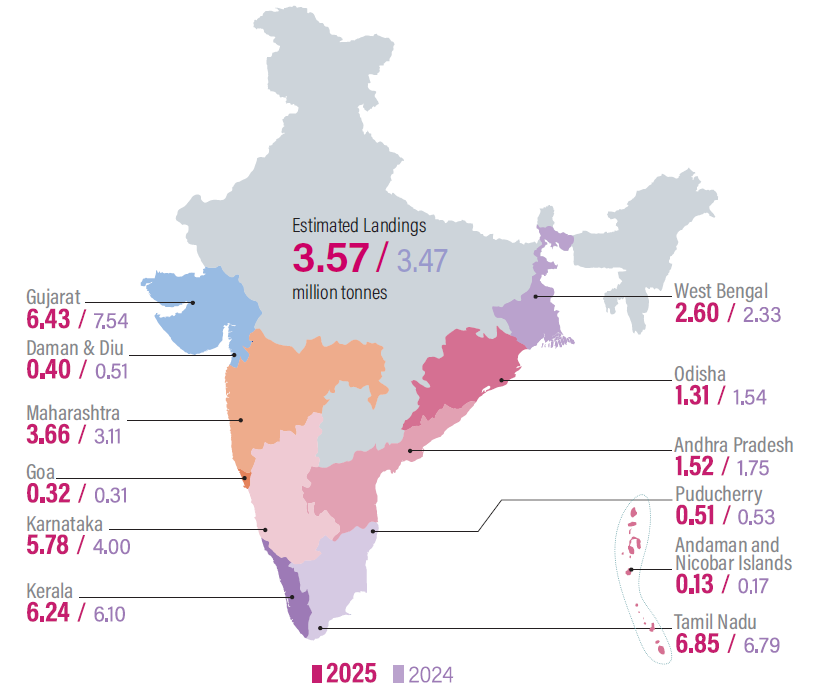
The Fishery Resources Assessment, Economics & Extension Division is dedicated to comprehending and overseeing the marine fisheries of India for its sustainable development. A primary research focus within the division involves establishing a Geo- referenced Marine Fisheries Resources Information System for the Indian Exclusive Economic Zone (EEZ). This utilizes Enhanced Survey Protocols and Methodological Platforms for Stock Assessment, Forecasting, and Ecosystem Modeling. Furthermore, the division evaluates Marine Fisheries Ecosystems, considering socio-economic factors, resource use efficiency, distribution, and consumption demand, with a policy outlook. The overarching goal is to ensure Sustainable Fisheries Stewardship through Behavioral Analysis and Dynamic Capacity Building, with a specific emphasis on Gender Inclusivity and Livelihood...
Finfish Fisheries
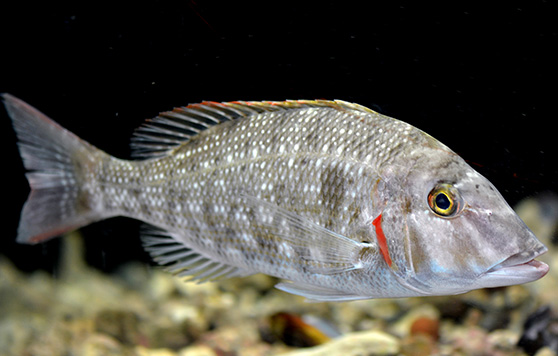
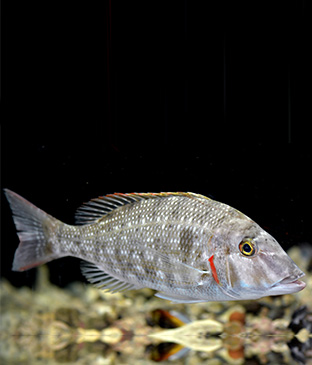
The thrust area of research in Finfish Fisheries Division (FFD) primarily focuses on assessing exploited marine finfish stocks of India using suitable models integrated with ageing techniques to formulate sustainable fishery management plans and policy advisories. Additionally, the division aims to forecast the fishery of finfish resources affected by various factors, including climate change, and maintain a spatio-temporal database on the life-histories of exploited marine finfish resources and their habitats. Human resource development through training, education, and extension activities on marine finfish resources and their fisheries is also emphasized areas of the division.Ongoing and completed research projects have resulted in significant achievements, including the development of databases on resource composition and biology of prioritized...

Shellfish Fisheries
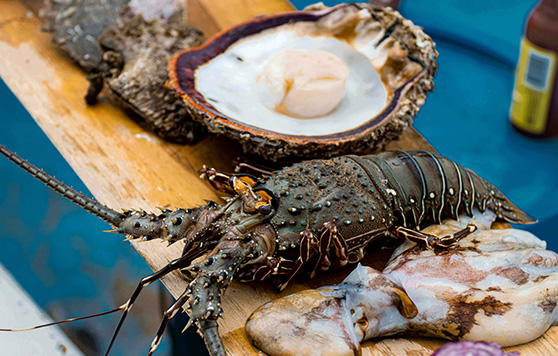
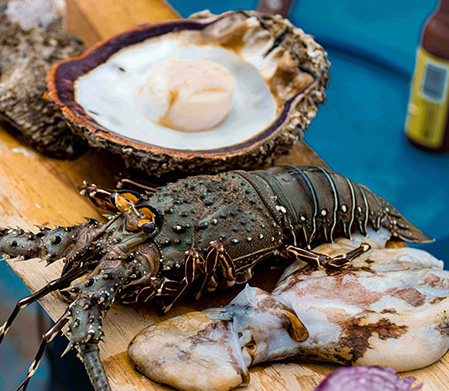
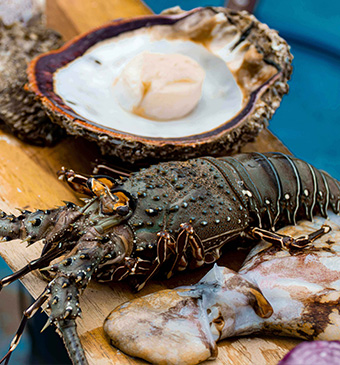
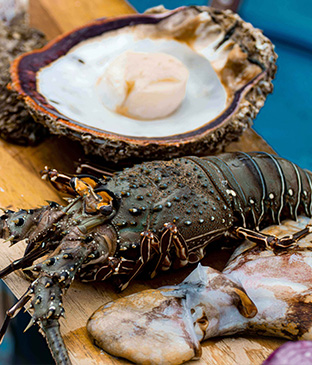
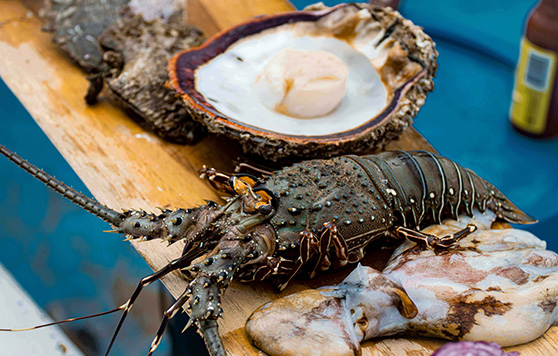
The Shellfish Fisheries Division is dedicated to understanding and managing shellfish resources for sustainable development along the Indian coast. The Division’s research encompasses various aspects, including the assessment of fishery and resource characteristics of Penaeid and non-Penaeid shrimps, lobsters, and crabs across different maritime states. Additionally, the Division conducts stock assessments of major exploited crustacean resources, evaluates bycatch and discards from trawlers, studies recruitment dynamics of Penaeid shrimps, and maps the distribution and abundance of shellfish using GIS-based resources mapping. Furthermore, the Division evaluates molluscan fisheries, conducts studies on the biology of major commercial molluscan resources, and develops mariculture technologies for molluscs. Notable achievements include...
Mariculture
The Mariculture Division is at the forefront of research and innovation aimed at advancing sustainable aquaculture practices and enhancing marine biodiversity. With a focus on evolving technologies for broodstock raising and seed production of prioritized fish species, the division aims to diversify production systems for food fishes and ornamental fishes, including Cage, Pen, Raft, RAS, Tanks, Coastal ponds, and Integration methods. Additionally, research efforts encompass mariculture nutrition, biosecurity, health, genetics, and habitat management, along with the development of spatial plans, automation, and digital technologies for mariculture. Notable achievements include the development and dissemination of technologies for seed production and farming of various food fish species, as well as the standardization of fish culture systems..


Marine Biotechnology, Fish Nutrition & Health
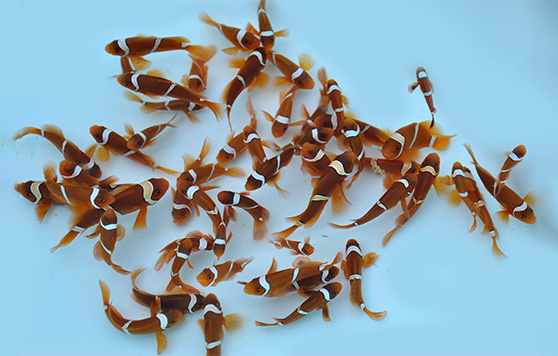
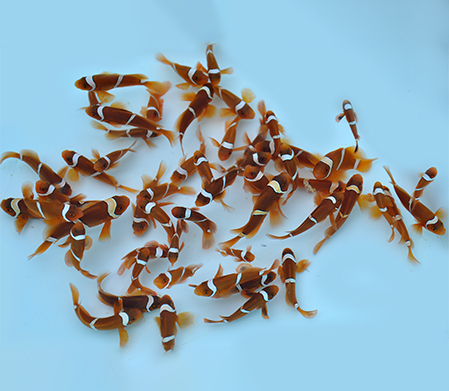
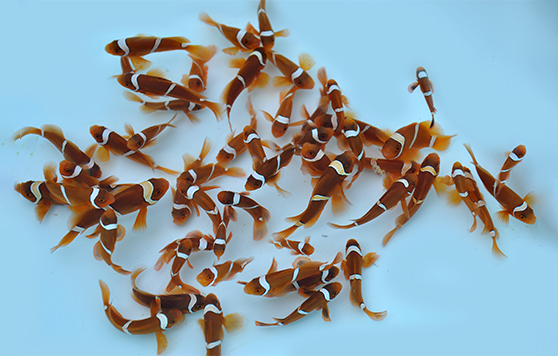
The Marine Biotechnology, Fish Nutrition & Health division at CMFRI focuses on cutting-edge research in various aspects of fish genetics, genomics, molecular biology, fish physiology, nutrition, health, biochemistry, and bioprospecting. Ongoing research projects cover a wide range of topics including the development of diagnostic tools for fish diseases, exploration of marine microalgae for stress tolerance, and the formulation of nutraceuticals from marine organisms. Major achievements include the identification of stress tolerance genes from microalgae for potential use in transgenic studies, the development of formulated feed for marine ornamental fishes, and the establishment of sensitive diagnostic methods for detecting viral diseases in finfish populations. Additionally, the division has made significant contributions...
Marine Biodiversity & Environment Management
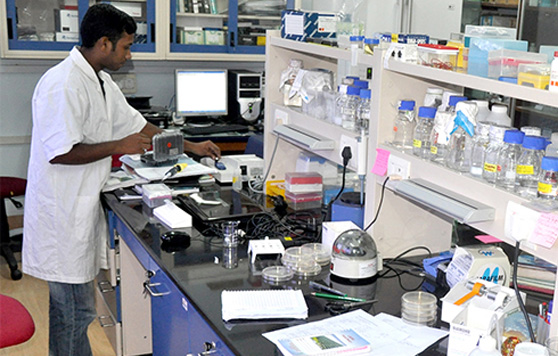
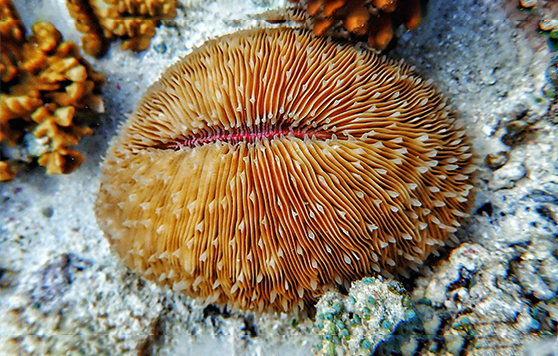
The Marine Biodiversity and Environment Management Division (MBEMD) is dedicated to conducting research to understand and conserve marine habitats and their biological diversity spanning from marine microbes to marine mammals. The division’s focus extends to biodiversity valuation of marine ecosystems along the Indian coast, assessing the impacts of fishing on biodiversity, research on threatened taxa and fragile ecosystems like coral reefs, seagrass beds and mangrove stands, and developing restoration protocols for these ecosystems. Another major thrust area is investigating the impact of environmental changes in the marine realm, particularly climate change and extreme weather events on marine fisheries and biodiversity. Assessment of the impact of marine pollution, including marine litter and other anthropogenic stressors, on the marine environment is another key priority research area for the division.
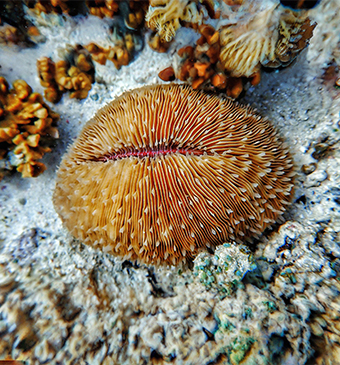
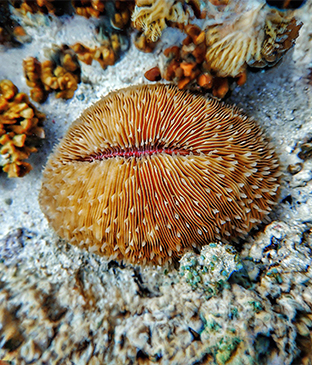
Latest News
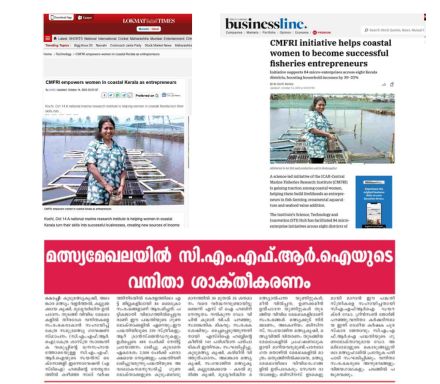
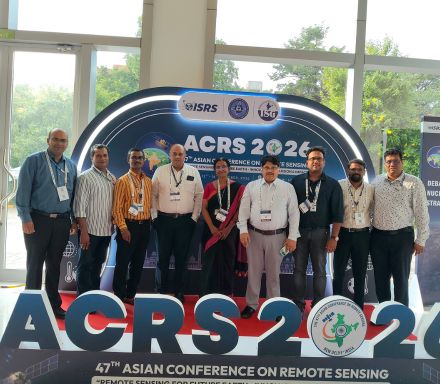

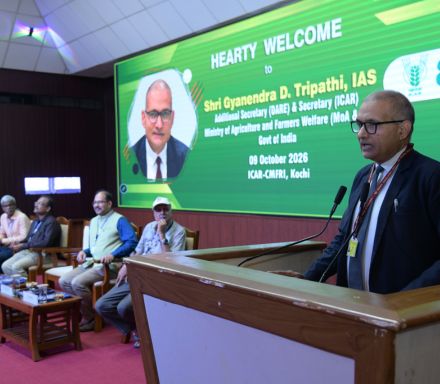
Research Updates
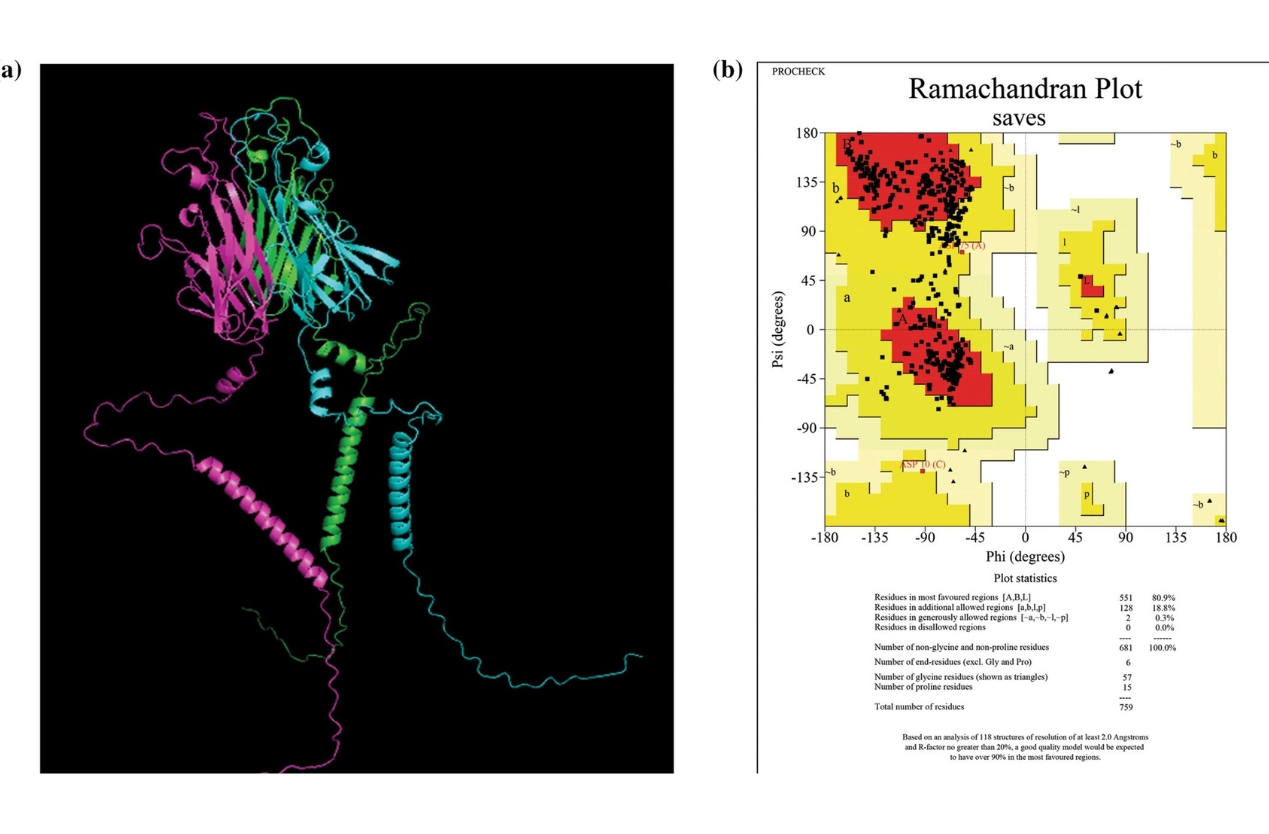
Molecular features and expression characteristics of a novel tumour necrosis factor paralog from snubnose pompano (Trachinotus blochii)
Molecular features and expression characteristics of a novel tumour necrosis factor-α paralog from snubnose pompano (Trachinotus blochii)
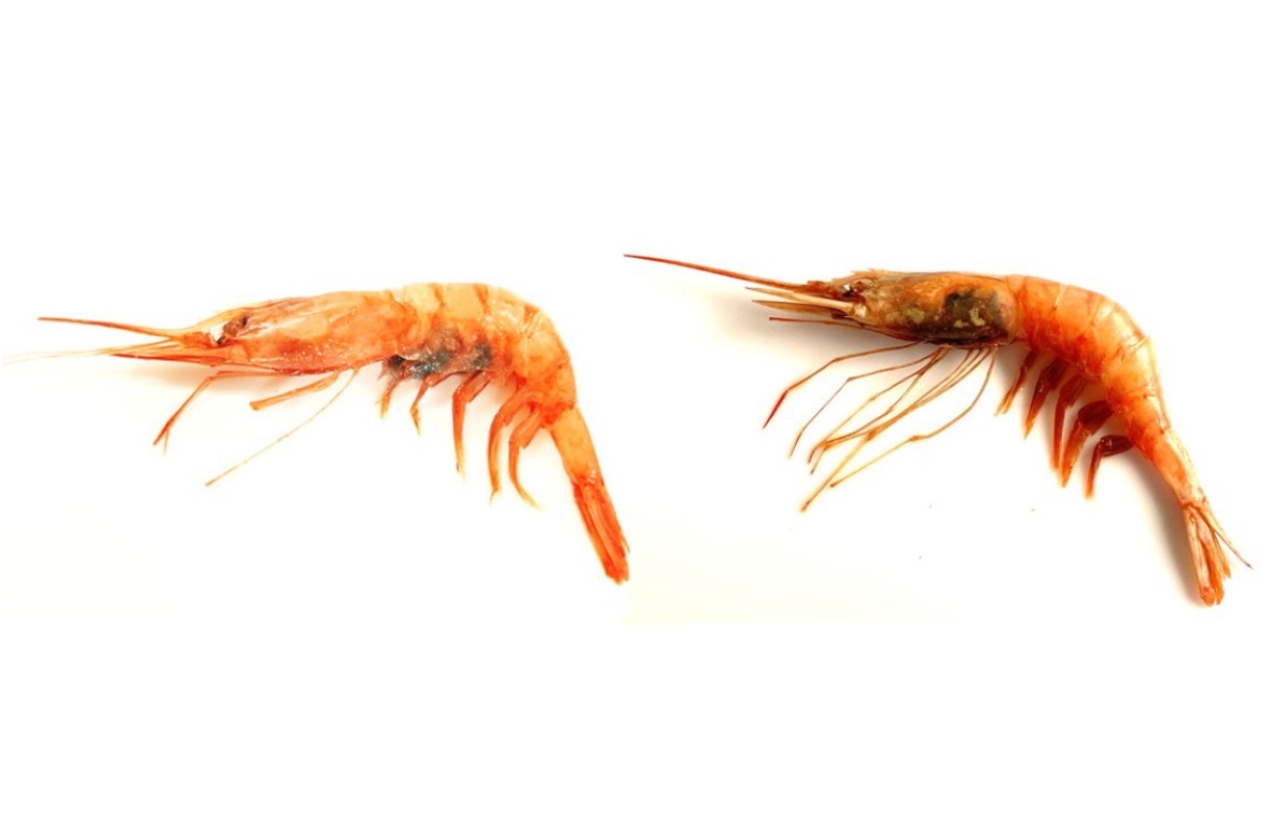
Growth parameters and population dynamics of deep-sea caridean shrimp Plesionika semilaevis (Spence Bate, 1888) along the south-west coast of India
Growth parameters and population dynamics of deep-sea caridean shrimp Plesionika semilaevis (Spence Bate, 1888) along the south-west coast of India
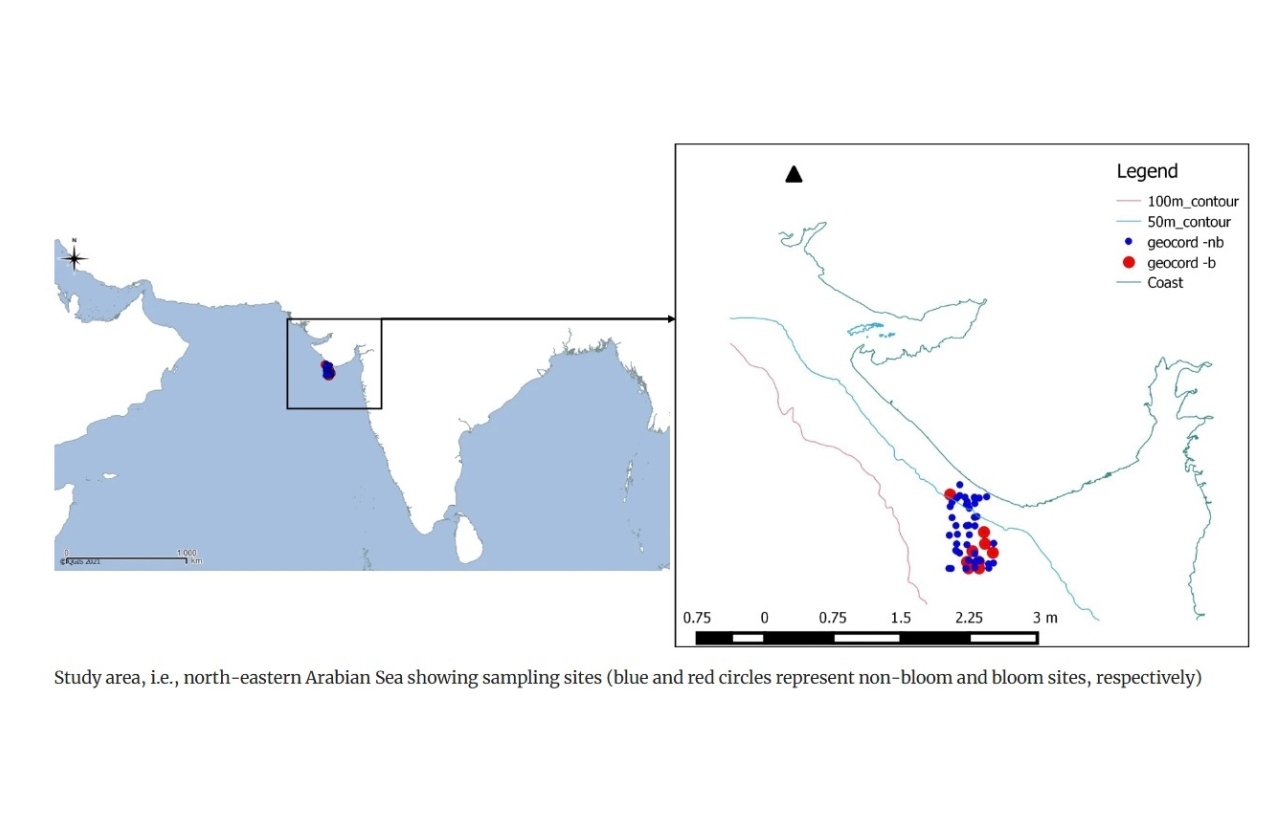
Dynamics of environmental variables during the incidence of algal bloom in the coastal waters of Gujarat along the northeastern Arabian Sea
Dynamics of environmental variables during the incidence of algal bloom in the coastal waters of Gujarat along the northeastern Arabian Sea
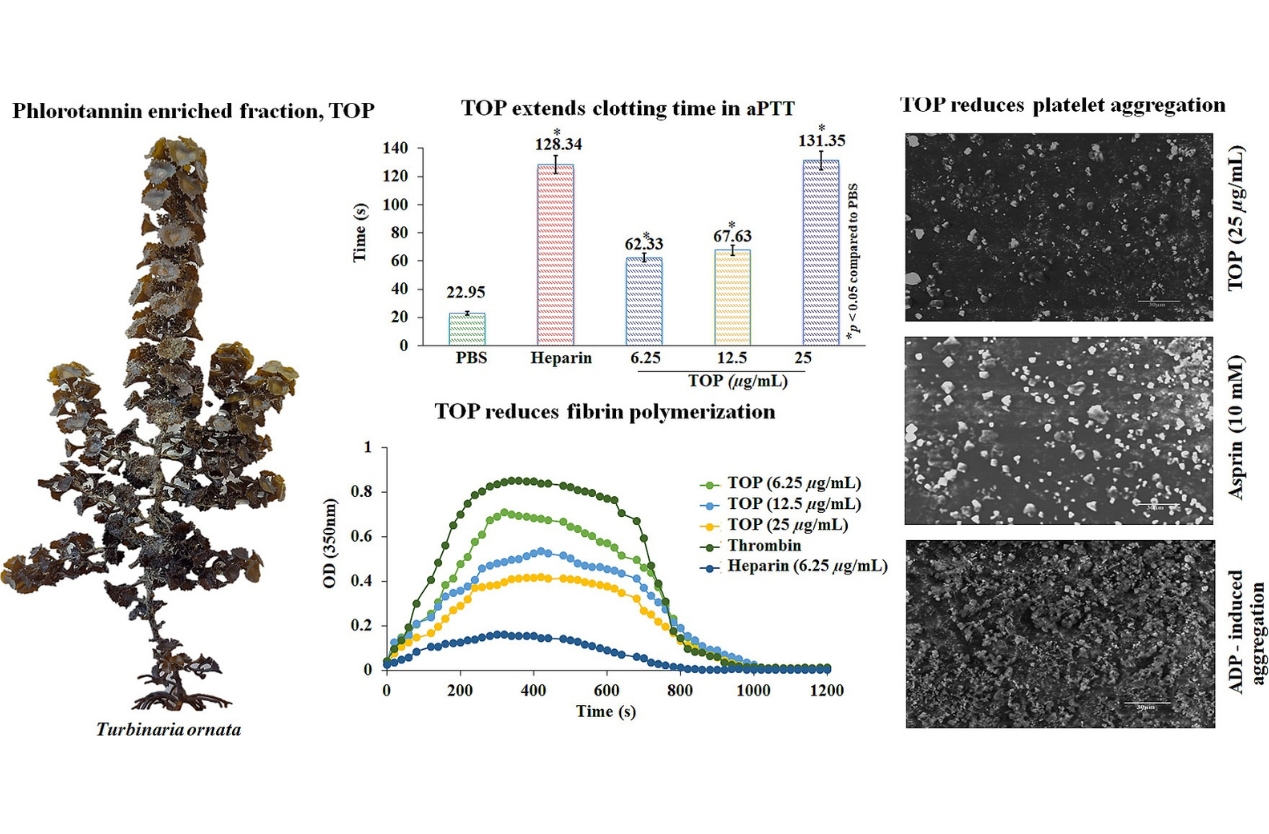
Phlorotannin from Turbinaria ornata exhibits anticoagulant and antiplatelet activity: A promising natural resource for thrombotic disorder management
Phlorotannin from Turbinaria ornata exhibits anticoagulant and antiplatelet activity: A promising natural resource for thrombotic disorder management
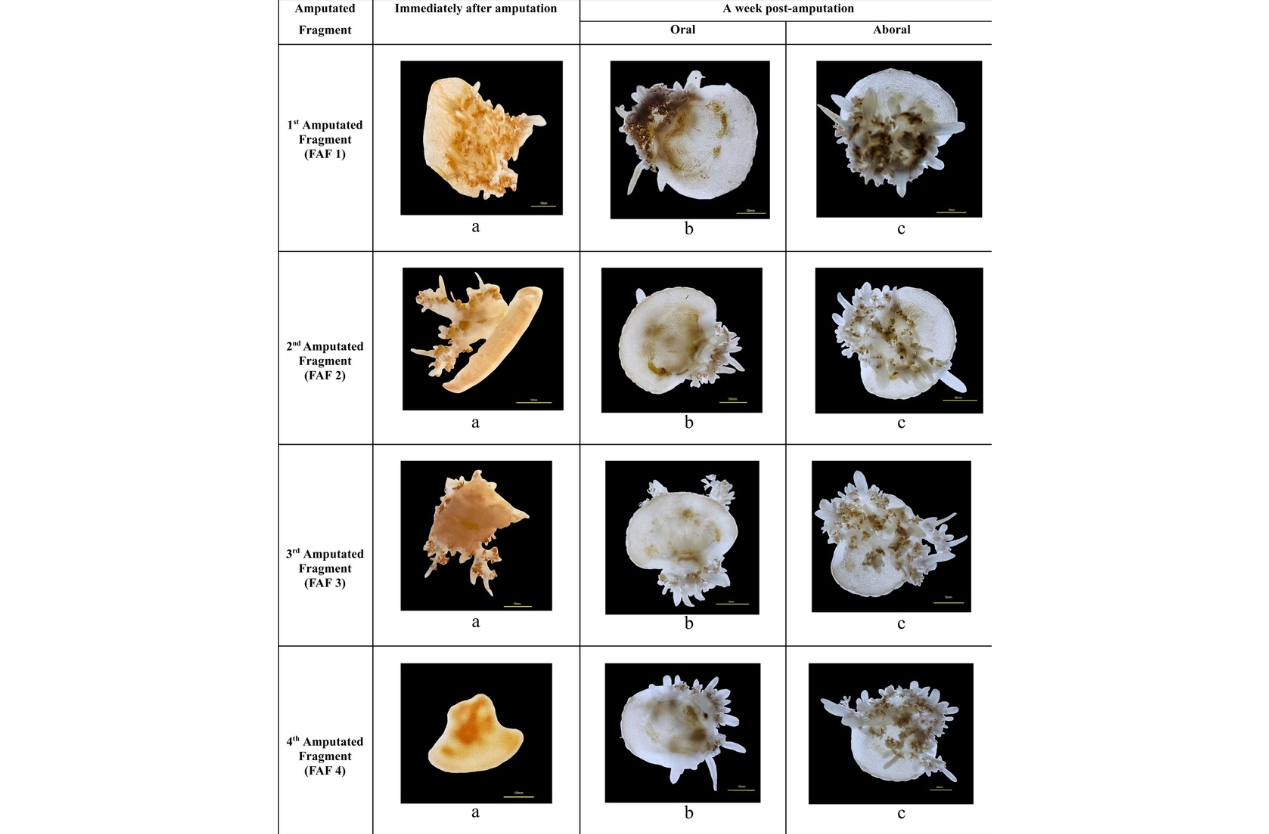
Medusae morphogenesis by tissue regeneration: a case study on Cassiopea xamachana Bigelow, 1892 (Scyphozoa: Rhizostomeae)
Medusae morphogenesis by tissue regeneration: a case study on Cassiopea xamachana Bigelow, 1892 (Scyphozoa: Rhizostomeae)
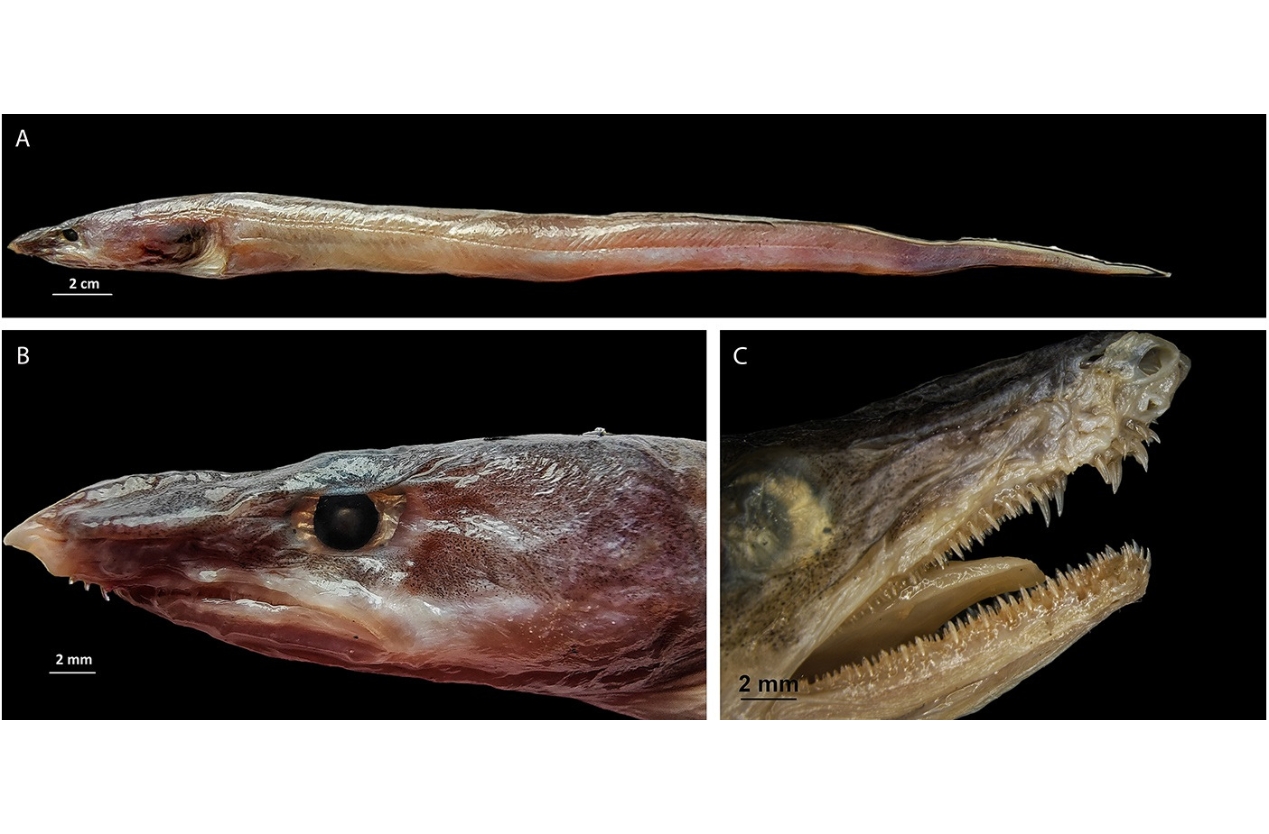
First record and molecular systematics of a rare congrid eel Bathycongrus nasicus Alcock (Anguilliformes: Congridae) from western India
First record and molecular systematics of a rare congrid eel Bathycongrus nasicus Alcock (Anguilliformes: Congridae) from western India